
Trump's Iran Deal Sent Oil Crashing and Bitcoin Soaring. Here's the Part That Matters.
The Trump Iran deal is apparently complete, and markets didn't wait around to react. Oil dropped sharply. Gold climbed. Bitcoin rallied. And somewhere on Wall Street, traders who had been pricing in a prolonged Middle East standoff quietly closed their hedges and went back to buying.
If you've been watching oil prices tick up over the past few weeks on Iran tension fears, or if you hold Bitcoin and wondered why it's been stubbornly range-bound, this is the moment that explains a lot.
Why oil fell faster than anyone expected
Oil is the most direct read on geopolitical risk in the Middle East. When tensions rise around Iran — the world's sixth-largest oil producer — traders add a risk premium to crude. That premium can be worth anywhere from a few dollars to $10-15 per barrel depending on how bad the threat looks.
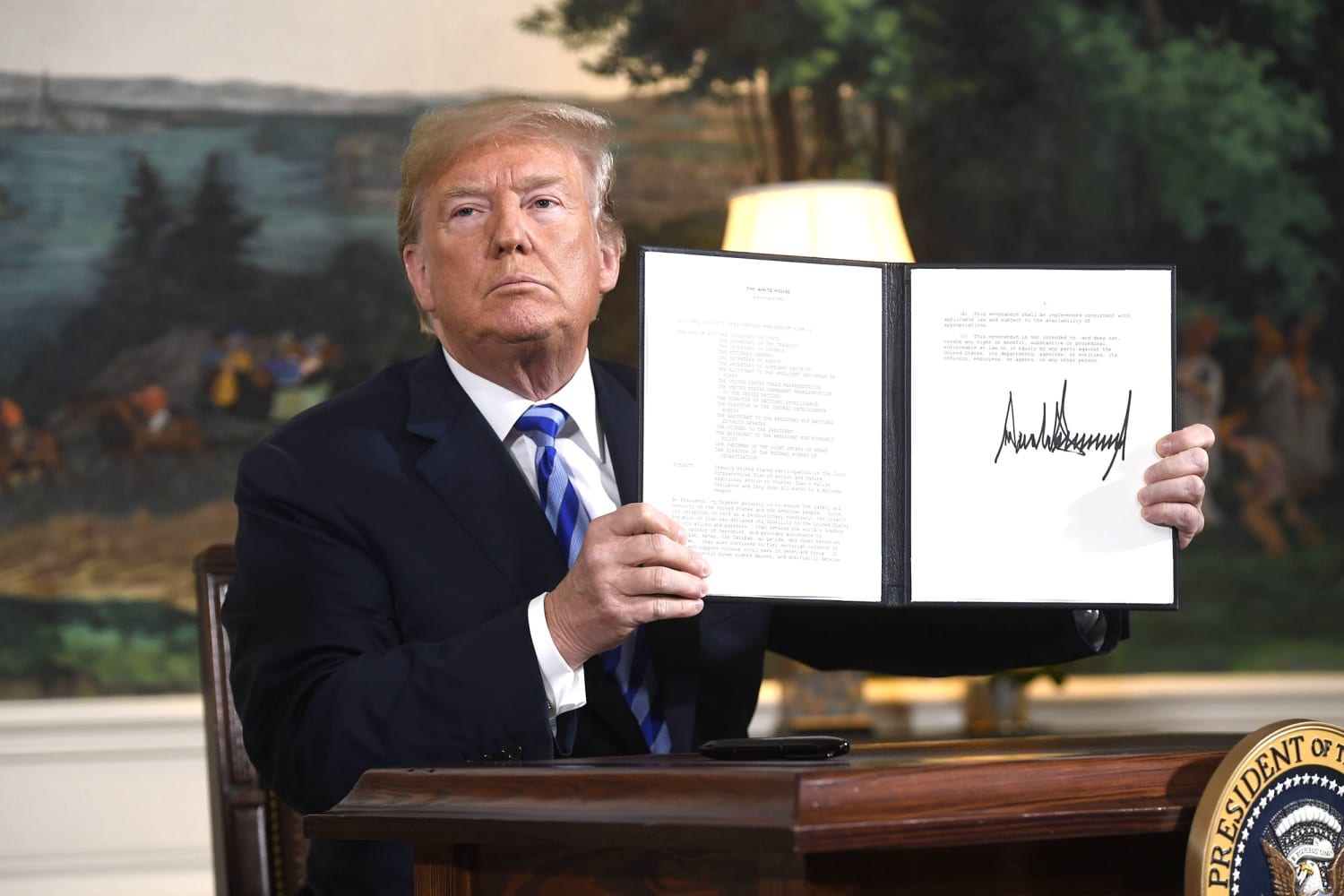
When Trump announced the deal was complete, that premium evaporated almost instantly. Reports from Binance's market desk noted oil crashing around 5% as markets opened following confirmation of the agreement.
A 5% single-day oil move is enormous. For context, that's the kind of swing you usually see when OPEC announces a surprise production cut, or when a major pipeline gets disrupted. The fact it happened in the other direction — on peace news — tells you how much fear had already been baked into the price.
What happens next for oil depends heavily on whether Iran's production actually comes back online. If sanctions get rolled back as part of any deal framework, Iranian crude could start flowing more freely again. That's an extra 1-2 million barrels per day potentially hitting a market that OPEC has been managing carefully. If that supply returns fast, oil could stay under pressure for months. If implementation drags — as it historically does with these agreements — the initial drop might partly reverse.
My read: oil probably stays lower than it was pre-deal even if implementation is slow, because the fear premium is gone. But a full crash toward $60 or below would need actual Iranian barrels showing up in volume. That takes time.
Gold did something slightly strange
Gold going up on a peace deal seems counterintuitive. Normally gold is a fear trade — it rises when things look dangerous and falls when the world looks calmer. So why did it jump roughly 2% when a war risk disappeared?
Two things are happening at once. First, gold is responding to the dollar. The Binance market summary also noted that Fed rate hike bets retreated on the news. If the market now thinks the Fed will be less aggressive — partly because lower oil prices ease inflation pressure — that weakens the dollar slightly, which mechanically lifts gold. Gold is priced in dollars, so a softer dollar means gold gets more expensive for everyone else to buy, which pushes price up.
Second, and this is the subtler point: gold was already well-supported before this deal by central bank buying. Emerging market central banks have been adding gold to their reserves consistently over the past few years. That underlying bid doesn't go away just because one geopolitical risk resolves. The Iran situation was just one of several reasons institutions are holding gold right now.
Silver also broke above $70 according to the same market data, which matters if you track precious metals. Silver tends to amplify gold moves in both directions.
For a retail investor, gold here is harder to call. The long-term case for it hasn't changed. But buying right after a 2% jump on geopolitical news is the kind of trade that often looks less clever two weeks later when the initial excitement fades. If you want gold exposure, a gradual position through something like GLD or a physical-backed ETF is a better entry than chasing a one-day spike.
Bitcoin's reaction is worth reading carefully
Bitcoin rallied on this news, and BeInCrypto confirmed the broad crypto market moved higher alongside the deal announcement. The move is being read as a risk-on signal — traders got more comfortable taking positions in volatile assets once a major geopolitical threat looked resolved.
But there's a more specific story buried in here. The Iran deal, if it involves easing sanctions, could eventually include more dollar-clearing infrastructure for Iran's financial sector. Countries and individuals who operate outside the dollar system have historically been among the more active users of crypto for cross-border transactions. Broader geopolitical thawing tends to either reduce that demand (if normal banking becomes accessible) or not affect it much either way. So Bitcoin's rally here is primarily a macro sentiment trade, not a fundamental driver.
The more important Bitcoin dynamic right now is the CLARITY Act mentioned in odaily's coverage — a US crypto regulatory bill that reportedly has a slim chance of passing before July 4. Regulatory clarity is what institutional money is actually waiting for. A peace deal is noise for Bitcoin in the medium term. A proper regulatory framework is signal.
If you hold Bitcoin, the Iran deal probably moved your portfolio in the right direction today. But that's not the reason to stay in or add to the position. The reasons to stay constructive on Bitcoin are the regulatory pipeline, institutional adoption, and the post-halving supply dynamics — none of which changed today.
What the Fed connection means for your savings rate
One market move most people are missing in all this: interest rate expectations shifted. With oil down sharply, headline inflation looks set to ease further, which gives the Federal Reserve less reason to keep rates high or raise them again.
Fed funds futures moved to price in fewer hikes after today's news. That has a real-world consequence. High-yield savings accounts and money market funds in the US have been paying well — some above 4.5% — because of the Fed's restrictive stance. If the market now thinks the Fed pivots sooner, those rates could start drifting down over the next few months.
This doesn't mean your savings account rate drops tomorrow. Rate changes take time to work through. But if you've been sitting on a large cash position planning to eventually move it into something more productive, the window for locking in decent yields on CDs or Treasury bills may be getting a little shorter. A 12-month Treasury bill bought today at current rates locks that yield in regardless of what the Fed does next.
Whether this deal actually holds
The history of US-Iran agreements is not encouraging. The 2015 JCPOA took years to negotiate, was abandoned, got partially reinstated in spirit but never fully, and has been a source of on-again-off-again tension ever since. Trump's announcement that a deal is complete is significant, but markets will be watching implementation details closely.
The biggest risk here is that this turns into a handshake that frays over verification disputes, sanctions timelines, or congressional opposition in Washington. If that happens, the oil risk premium comes back, gold retreats from today's gains, and Bitcoin gives back whatever the geopolitical-relief trade added.
The biggest reason to think this time could be different is that both sides appear to have economic incentives to make it stick. Iran's economy has been under severe strain. The US under Trump's current posture has shown it prefers bilateral deals to multilateral frameworks, which means fewer parties that can blow things up. Fewer moving parts sometimes means more durable outcomes.
I lean toward this being a real shift, not a dead-cat bounce in diplomatic relations. But the first 60-90 days of implementation detail will tell you far more than the announcement itself.
A few questions, answered
Does the Iran deal mean oil prices will keep falling?
Not necessarily and not quickly. The initial drop reflects the removal of a geopolitical risk premium — that's real and probably sticky. But for oil to fall much further, you'd need Iranian production to actually return to global markets in volume. That requires sanctions relief, infrastructure investment, and time. Most energy analysts reckon any meaningful supply increase from Iran is a 2027 story at the earliest, even in an optimistic scenario. OPEC members will also adjust if they see Iranian barrels threatening to undercut them. A gradual drift lower is more likely than a sustained crash.
Is this a good moment to buy Bitcoin or gold?
Buying either asset right after a sharp single-day move driven by a news event usually means you're paying a premium for a catalyst that the market has already fully priced. Gold up 2% and Bitcoin up several percent in a day on one piece of geopolitical news is excitement, not a new fundamental. If you want exposure to gold over the next year, a steady monthly buy into a gold ETF makes more sense than chasing today's spike. For Bitcoin, the question to answer is whether you believe in the medium-term regulatory and adoption story — and that case hasn't materially changed based on what happened today.
Over the next few weeks, watch whether concrete sanctions language comes out of Washington and whether Iran signals it's cooperating with any verification process. Those two data points will tell you whether this deal has legs — and whether oil's drop is permanent or temporary.