
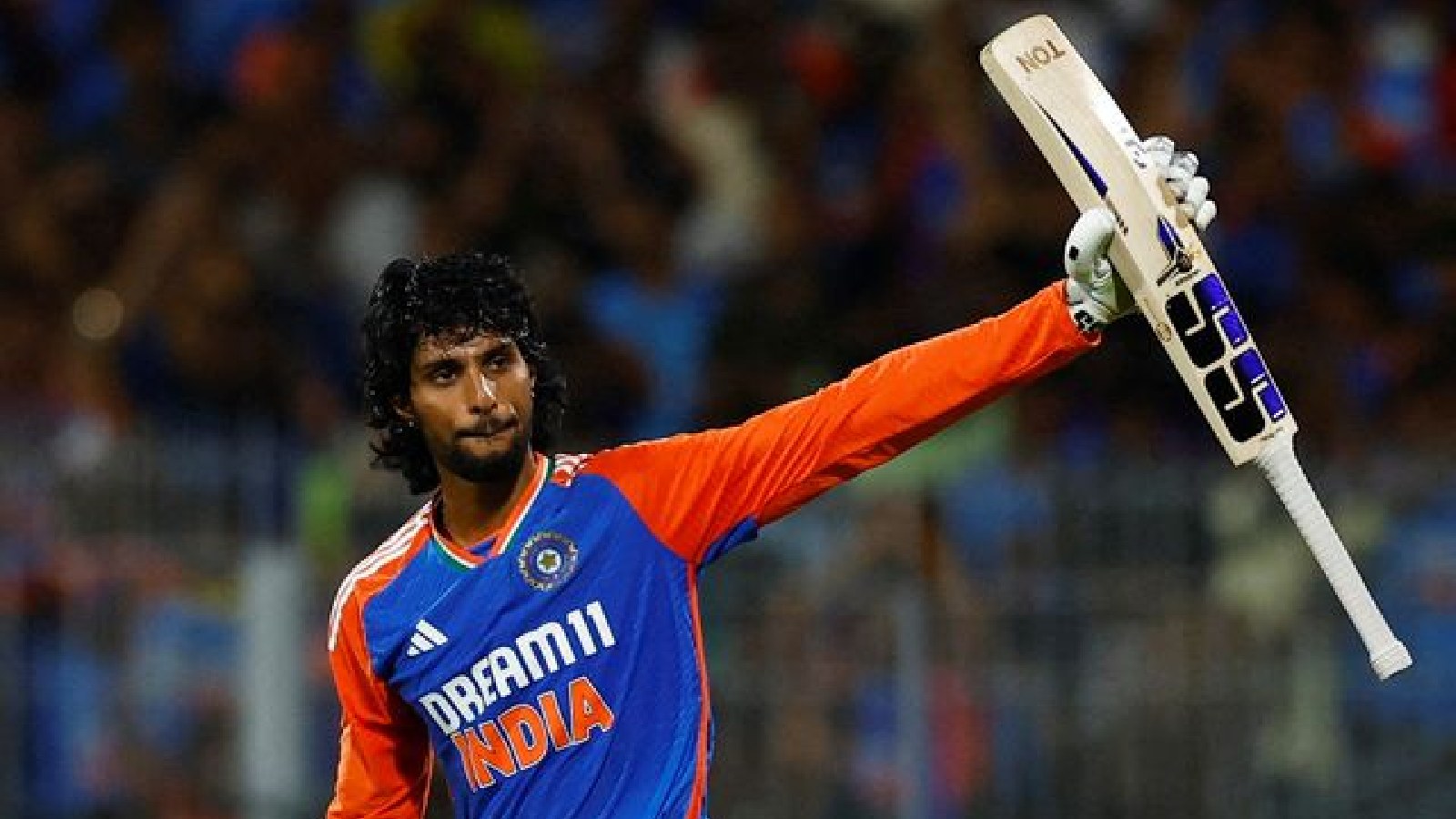
Tilak Varma India A Captain: More Than a Trophy Role
The headlines are all warmth and good feeling right now. Tilak Varma says the right things about Vaibhav Sooryavanshi. Sooryavanshi gets his captain's backing despite an on-field clash and patchy form. Everyone's rallying ahead of the final against Sri Lanka A. And honestly? That's the easy part to notice. The harder question is what the Tilak Varma India A captain experiment actually tells us about where Indian cricket's pipeline is headed — and the answer is more complicated than the feel-good coverage suggests.
A captain in form, backing a prodigy without form
Tilak Varma was named to lead India A in the Sri Lanka tri-series in June, and the series has surfaced an interesting tension. Vaibhav Sooryavanshi — arguably the most watched teenager in Indian cricket right now — hasn't been at his best. There was an on-field altercation involving an umpire that drew scrutiny. The form hasn't clicked the way everyone hoped it would.
And yet Tilak Varma's response, as reported ahead of the final against Sri Lanka A, was essentially: no reason to change, give him time, at his age this is when you learn. That's either the mark of a captain reading his player well — or a captain smoothing over a real selection headache. Probably some of both.
What Tilak told Sooryavanshi before the final matters less than the fact that he had something useful to say at all. Leading a dressing room where you're managing a 17-year-old prodigy under a media microscope isn't straightforward. The pressure situations have taught him a lot, he said — and that's about as honest an assessment of captaincy as you'll hear from a 23-year-old.
Why the India A captaincy actually matters
India A tours don't get the same crowd noise as senior internationals, but they've historically been where the selectors stress-test the next generation of leaders. Think of it as a long audition that runs at lower stakes — but the scouts are watching.
The pattern is worth understanding. India A cricket serves two purposes at once. It gives players in the 20-25 age group competitive exposure against near-international opposition. And it surfaces who can hold a dressing room together when things go sideways — which is the part you can't simulate in domestic cricket, where everyone's chasing their own numbers.
Tilak Varma being handed the Tilak Varma India A captain role signals that the selectors see something beyond his batting. His T20I record for the senior side has been quietly impressive, but captaincy in Indian cricket is a separate conversation from individual talent. You don't get the armband just because you average 45 in white-ball games.
What Sooryavanshi's situation actually reveals
The more interesting subplot here is Vaibhav Sooryavanshi's. The teenager made a breathtaking first impression — some of the most explosive hitting at Under-19 level anyone had seen in years. The hype was enormous, possibly too enormous for someone who'd barely finished school.
And now, against Sri Lanka A, it's getting complicated. An altercation with an umpire, questions about current form — this is the bit nobody models when they're projecting a prodigy's ceiling. The scrutiny at this level, even for an A-series, is intense enough to expose mental fragility that raw talent alone can't paper over.
Tilak's backing matters here, but it's not unconditional cheerleading. His actual words — "at this age, this is the time to learn" — carry a double edge if you read carefully. It's supportive, yes. It also implicitly acknowledges that Sooryavanshi isn't yet the finished product. That's the honest framing, and it's the right one. Projecting a teenager as a senior-ready generational talent before he's proved it at A-level is how you create the pressure that makes form collapses more likely, not less.
Reading between the squad selection lines
One thing worth noting: leading India A heading into an international-cycle year isn't always a stepping stone. Sometimes it's a holding pattern. The selectors have a way of giving leadership responsibility to players they rate highly but don't yet want to lock into the senior side's pecking order — particularly at positions where the first-choice slots are occupied.
Tilak Varma's route to the senior captaincy, if it ever comes, runs through consistent senior-side performance, not just A-team results. The captaincy here is meaningful experience. It doesn't guarantee anything about his role in the 2026-27 cycle. That's the part the celebratory coverage tends to skip.
For Sooryavanshi, the path is different. He needs form more than he needs leadership lessons right now. A series like this, if he can find runs in the final and recover from the altercation scrutiny, could reset the narrative in his favour. If he doesn't, the selectors will need to think carefully about whether early exposure to international pressure is helping or hurting his development.
The BCCI's talent development setup has improved significantly since the mid-2010s — the NCA infrastructure, the shadow tours — but there's still a tendency to rush the most hyped names into the spotlight before they've had time to build the mental scaffolding that makes elite careers durable rather than spectacular-and-brief.
Before you go — two quick answers
Is Tilak Varma likely to captain India's senior side soon?
Not imminently, based on current squad dynamics. The senior captaincy across formats is settled for now, and Tilak's immediate job is to hold his middle-order place in T20Is. The India A role tells you the selectors respect his temperament and see leadership potential — but that's a long runway, not an announcement.
Should Vaibhav Sooryavanshi's struggles in this series worry fans?
Not in a career-threatening way, but they shouldn't be dismissed either. Every young player hits patches where the game stops feeling easy. The question is whether the support structures around him — coaching, captaincy, family — are calibrated to help him process setbacks rather than double down on the hype. Tilak Varma's backing, taken at face value, looks like the right instinct. Whether it translates into a more grounded Sooryavanshi by the end of this tour is worth watching.
The final against Sri Lanka A is a good test for both of them — but the more meaningful scorecard will be how each plays twelve months from now, when the memory of one tri-series has long faded.