

Semiconductor Stocks Are Down in June — Is Now the Time?
Semiconductor stocks confuse a lot of investors. One month they're the hottest thing in the market. The next they're down 15% and nobody can agree why. June 2026 is one of those latter months — the chip sector has been sliding after a rough patch of volatility, and plenty of people are asking whether this is a buying opportunity or a warning sign.
The honest answer: it depends on what's driving the drop. And right now, the drop is being driven by valuation anxiety, not by any genuine collapse in semiconductor demand. That's a meaningful distinction.
What "semiconductor stocks" actually means
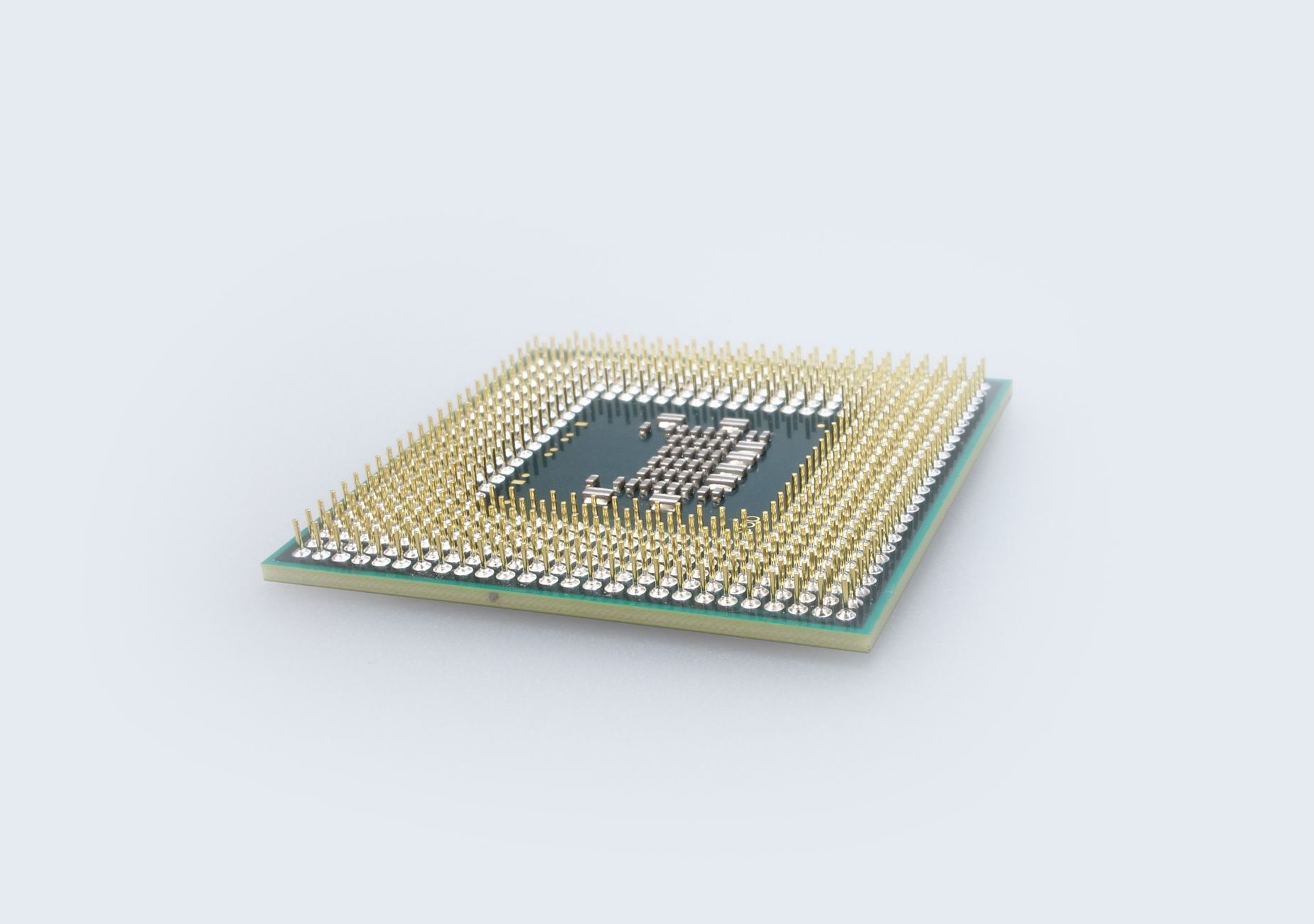
A semiconductor is the physical chip inside almost every electronic device — your phone, your laptop, a car's braking system, a data centre server. Companies that design, manufacture, or equip the factories that make these chips are what people call semiconductor stocks.
The sector has two broad camps. There are the designers — companies like Nvidia, Broadcom, and Marvell Technology that dream up chip architectures but outsource the actual manufacturing. Then there are the equipment and materials makers — companies like ASML, Entegris, and Photronics that supply the machines and chemicals needed to build fabs. Both camps tend to move together when sentiment shifts, which is why a broad "chip selloff" can hit very different businesses at once.
Right now, the sector as a whole is about 8–12% off its recent highs, depending on which names you're looking at. That's not a crash. But it's enough to get people's attention.
What actually happened around June 5
The volatility that's been shaking high-beta tech since early June wasn't triggered by bad earnings or a demand collapse. It was a valuation reckoning. After a strong run in the first half of 2026, several chip names were trading at price-to-earnings multiples that priced in near-perfect execution for the next two to three years. When Broadcom reported a genuinely strong AI-driven quarter and the stock still fell, that told you everything — the bar was already sky-high, and "strong" wasn't good enough.
Broadcom's stumble spooked the broader sector. Marvell Technology, which has its own AI custom chip story, got caught in the downdraft before bouncing back. Smaller names in the equipment and materials space — Entegris, Semtech, Photronics — have been trading up and down on low volume, the kind of choppy action you see when institutions are repositioning rather than exiting.
None of this signals a structural problem with chip demand. Global AI infrastructure spending is still accelerating. Hyperscalers — the Amazons, Googles, and Microsofts of the world — are still ordering custom silicon at a pace that chip designers can barely keep up with. The dip is a market sentiment story, not a semiconductor fundamentals story.
Why the demand picture still looks solid
One thing gets lost when stocks fall: the underlying business doesn't always fall with them.
Data centre spending on AI accelerators is probably the strongest single capex theme in the technology sector right now. Every major cloud provider is building out inference infrastructure — the compute needed not just to train AI models but to actually run them at scale. That requires chips. A lot of chips. And the lead times on advanced semiconductor capacity mean that demand placed today doesn't even show up in revenue for another six to eighteen months.
The automotive and industrial cycles are also recovering after a brutal inventory hangover in 2024 and early 2025. Chip makers serving those end markets are starting to see order books improve. That's not reflected in June's stock prices, which are reacting to sentiment about near-term margin pressure and the fear that AI spending could slow.
Could AI spending slow? Yes. If enterprise customers decide they've overbought on GPU capacity and pause orders, or if a major hyperscaler cuts its capex guidance, chip stocks would feel that immediately. That's the real risk here — not that chips stop being important, but that the spending cycle runs ahead of itself and then corrects.
My read: the cycle has legs for at least another 12–18 months. The infrastructure buildout is too early-stage to stall cleanly. But some of the premium multiples on individual names need to compress before the stocks can run again.
The difference between buying a dip and catching a falling knife
Not every dip is worth buying. Some are dips; some are the start of a longer slide. The way to tell them apart is to ask what's changed in the underlying business versus what's changed in market sentiment.
For most semiconductor stocks in June 2026, the business hasn't materially changed. Order books, design wins, and AI pipeline commentary from recent earnings calls have been broadly constructive. What's changed is that the multiple — the price investors are willing to pay for each dollar of future earnings — has compressed. That's a sentiment shift, and sentiment shifts can reverse quickly.
If you put $5,000 into a broad semiconductor ETF like the VanEck Semiconductor ETF (SMH) today, you're buying a basket of the largest chip companies at a meaningful discount to where they traded two months ago. You don't have to pick the winner. You get Nvidia, Broadcom, TSMC, ASML, and a dozen others in one trade. The expense ratio is low. The liquidity is excellent. For most investors who want chip exposure without stock-picking risk, this is the cleanest way to get it.
If you'd rather own individual names, the logic gets more specific. Marvell has been making headlines for its AI custom chip momentum, and a pullback in the stock while the business story stays intact is a cleaner entry than chasing it at highs. Broadcom is a different case — the stock is still richly valued even after the post-earnings dip, and you're paying up for a company that executes extremely well but doesn't leave much room for error.
Entegris and Photronics are lower-profile, but they sit in the equipment and materials part of the supply chain that has to expand whenever chip manufacturing capacity grows. Less exciting, but they tend to be less volatile too.
Common mistakes people make when buying chip stocks on a dip
The biggest one is timing. Investors see a 10% drop and assume the bottom is in. It isn't always. Valuation-driven corrections can take months to fully digest, and the stock can keep sliding even when the business is fine. If you're buying for a one-month trade, you might be right — or you might be holding through another 15% of pain. If you're buying because you want chip exposure over the next three to five years and you like the price better than you did in April, the timing question matters much less.
The second mistake is concentration. Putting a large chunk of your savings into a single semiconductor stock because you're convinced it's the AI winner is a bet that even professional fund managers often get wrong. Companies that look dominant at the start of a technology cycle don't always capture most of the value by the end of it. Spread the exposure.
The third is ignoring the macro. Semiconductor stocks are sensitive to interest rate expectations, to trade policy (chip export controls between the US and China are still a live issue), and to the broader risk appetite in global markets. None of those variables are favourable right now. They're not disastrous either, but they add friction. Don't buy in assuming a straight line up.
One more: don't confuse a company's product being important with the stock being a good investment. TSMC makes the world's most advanced chips. It's an indispensable company. But if you pay 35 times earnings for it and growth slows even slightly, you can lose money owning the most essential business in the sector. Price paid matters.
What the rest of June probably looks like
With chip stocks already softened, the path forward depends on two things: macro signals and any earnings revisions from the large-cap names.
If the Federal Reserve's next communication points toward rates staying higher for longer, growth stocks broadly — including semiconductors — will feel more pressure. Higher rates make future earnings worth less today, and semiconductor valuations are built heavily on earnings that are still three to four years out.
If instead one of the major hyperscalers raises its AI capex guidance in a mid-quarter update, or a major design win announcement hits, the sector could recover quickly. The market is primed to re-rate upward on any concrete positive surprise.
My base case: the sector spends most of June consolidating in a range, with occasional sharp moves on news flow. A clean entry somewhere in that range, in a diversified vehicle, makes more sense than waiting for a confirmed bottom that may never feel comfortable enough to buy.
Quick answers before you decide
Is a semiconductor ETF safer than buying individual chip stocks?
Generally, yes — for most investors. A broad chip ETF like SMH or SOXX spreads your risk across the biggest names in the sector, so a single earnings miss doesn't wreck your position. You'll give up some upside if one stock rockets, but you also won't be wiped out if a company you backed loses a major design contract. For anyone who doesn't want to track individual chip companies quarterly, the ETF is the more sensible call.
How long should I expect to hold before seeing a recovery?
There's no clean answer, but sentiment-driven dips in strong secular sectors tend to recover within three to nine months when the underlying demand thesis holds. If you're buying semiconductor stocks in June 2026 because you believe in multi-year AI infrastructure growth — not because you think next week looks good — a 12-to-18-month horizon is the right frame. Anything shorter and you're speculating on price action, which is a different game entirely.
In the coming weeks, keep an eye on any revision to hyperscaler capex guidance. That's the single data point most likely to tell you whether this dip resolves faster or drags longer.