
Dollar vs Dong: What the Black Market Rate Actually Tells You
There's a bit of received wisdom that floats around currency circles: the black market rate is where the real economy lives. Official rates are for governments and banks, the story goes, but street corners and back offices tell the truth.
That idea has some merit. But the dollar dong rate slipping on Vietnam's black market right now is a more complicated signal than most headlines suggest. It doesn't simply mean the dong is surging or the dollar is collapsing. It means something specific about Vietnam's foreign exchange system — and once you understand that, you start reading these moves very differently.
Why Vietnam has two exchange rates at all
Vietnam manages its currency. The State Bank of Vietnam sets a daily reference rate and allows the dong to trade within a band — currently plus or minus 5% from that midpoint. Banks operate within it. The official system is tightly controlled.
The black market exists because that band doesn't always satisfy demand. If businesses or individuals want dollars beyond what the formal banking system will sell them, they go looking elsewhere. The premium they pay above the official rate — or the discount they accept — is a rough measure of how much pressure is building up in the system.
When the black market dollar trades at a premium over the official rate, it usually means people are scrambling for foreign currency. They're nervous about the dong, expecting it to weaken, or they need dollars for imports and can't get enough through official channels. When the premium shrinks or reverses — when the dollar slips against the dong even on the street — it means that pressure is easing. Demand for dollars is cooling, supply is improving, or both.
That's the situation right now. The gap between official and black market rates has narrowed. The street price for a dollar has come down relative to the dong. And that's actually a fairly positive sign, though not a simple one.
What's pushing the dollar lower on Vietnamese streets
A few things are happening at once, and they compound each other.
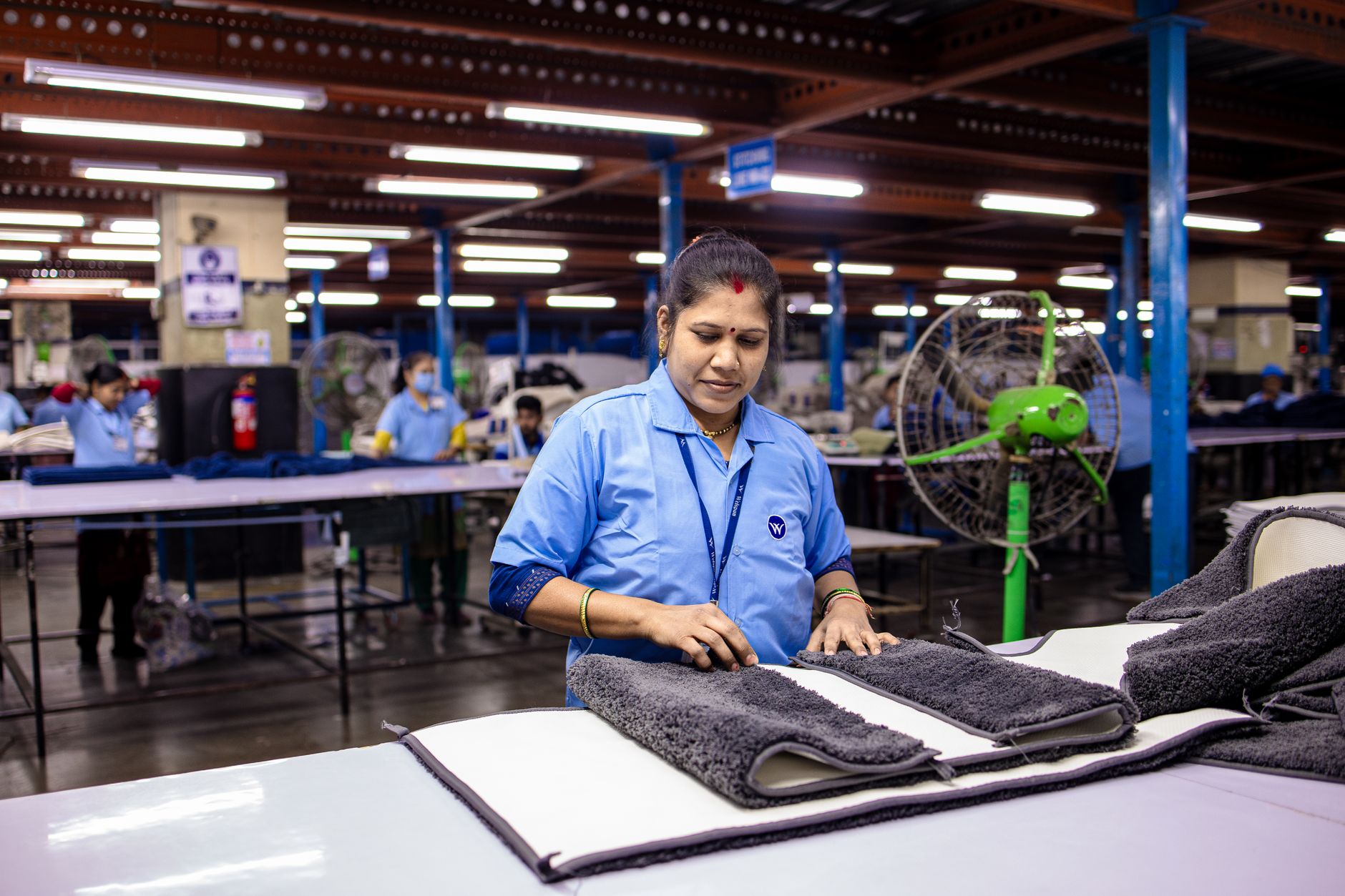
Export revenues have been running strong. Vietnam is a major manufacturing hub — electronics, footwear, textiles. When exporters bring in foreign currency and convert it to dong to pay local wages and suppliers, that adds to the domestic supply of dollars and reduces the premium buyers would otherwise pay on the street.
Remittances are another factor. Vietnam consistently ranks among the top recipients of remittance flows globally, receiving tens of billions of dollars annually from the Vietnamese diaspora. When those inflows pick up, dollars become more available and the black market premium tends to compress.
Then there's the broader dollar story. The US dollar has had a rough few months globally — weighed down by concerns about the US fiscal trajectory and shifting expectations around Federal Reserve policy. A softer dollar globally tends to reduce the premium on any black market that trades in dollars. If the thing you're buying is already worth less, you pay less for it.
Gold has also been rallying sharply from its recent lows, climbing back from an 8-month trough. That's relevant because Vietnamese households have historically treated gold as a store of value alongside dollars. When gold rallies, some of the demand that might have gone into black market dollar buying shifts into gold instead. That reduces pressure on the street dollar rate, too.
The gap that still matters
There's a catch, though. A narrowing black market premium is not the same as a black market that has disappeared or that tracks the official rate closely. There is still a spread. There probably always will be in a managed currency system.
The spread exists partly because of transaction risk — buying dollars outside the banking system is technically illegal in Vietnam — and partly because the official system still doesn't always meet demand on time or in the amounts people need. Businesses running import-heavy operations often can't wait for bureaucratic approvals. The premium they pay is essentially the cost of speed and certainty.
For ordinary people, this matters less. If you're a tourist exchanging money, you use the official banking system and get a fair rate. If you're sending money home via a bank transfer or a formal remittance service, the official rate applies. The black market premium mostly affects businesses doing large transactions, people who hold significant dollar savings, and traders who deal in goods that need importing quickly.
But the signal from that premium is genuinely useful for anyone watching Vietnam's economy, because it tells you something about confidence levels that the official data takes weeks to confirm.
What it means for Vietnam's economy right now
A narrowing black market premium suggests that the immediate pressure on the dong is easing. That's different from saying the dong is about to strengthen dramatically — the State Bank keeps the managed band and uses it carefully, and there's no indication they're about to let the dong float freely.
What it does suggest is that the foreign exchange reserves picture is probably comfortable enough. Vietnam has built up substantial reserves over the years, and the State Bank has been known to intervene to prevent excessive dong weakness. A black market premium that's narrowing points toward intervention being effective, or at least demand cooling on its own.
For the broader economy, stable-to-slightly-stronger dong is probably fine at these export volumes. Vietnamese manufacturers price in dong and earn dollars. A very weak dong makes imports more expensive — and Vietnam imports a lot of components for its electronics manufacturing. Some stability on the currency side actually helps keep input costs from spiralling.
The risk is on the other side. If global dollar demand picks back up — say, because the Fed turns more hawkish than expected, or because risk aversion spikes globally — that pressure on the dong could return fast. Vietnam's black market premium has widened sharply before, most recently when the dollar was surging globally and exporters were slow to convert their revenues. That scenario isn't impossible now, even if it's not the most likely path.
Should you hold dong-denominated assets?
If you're a foreign investor in Vietnam — in equities, in real estate, in bonds — the currency question is always lurking in the background. Gains on the Vietnamese stock market look different once you convert back to dollars, euros, or pounds.
The current trend of a softening dollar and narrowing black market premium is a modestly supportive signal. It reduces the currency drag risk in the short term. But I wouldn't build an investment case around short-term black market rate moves. The structural argument for Vietnam remains the same as it's been: a young population, a well-positioned manufacturing base, ongoing integration into global supply chains. Currency moves are noise around that signal, most of the time.
If you're holding dong savings or have Vietnamese property exposure, the near-term picture looks calmer than it did six months ago. That's worth noting. It's not a reason to bet heavily on further dong appreciation, though, because the State Bank's management style is fundamentally about stability — not letting the dong run in either direction without restraint.
For anyone thinking about converting dollars to dong or vice versa in Vietnam: use a reputable bank or licenced exchange. The black market premium isn't large enough right now to make the legal risk worthwhile. When the gap is 2-3%, the risk-reward calculation doesn't work in your favour.
A few questions, answered
Is the black market dollar rate the real exchange rate in Vietnam?
Not exactly, but it's a useful pressure gauge. The official rate set by the State Bank of Vietnam is the actual rate for banking transactions, exports, imports, and formal remittances. The black market rate reflects excess demand that the official system isn't absorbing — and when that premium is small, it generally means the official rate is close to where the market would put it anyway.
Does a weaker dollar globally mean the dong will strengthen?
It tends to reduce pressure on the dong rather than push it strongly higher. Vietnam's currency management means the State Bank steers the dong; it doesn't simply float with global dollar moves. A softer dollar makes it easier for the bank to hold the current level without burning reserves, which is probably the more accurate way to think about what's happening right now.
Over the coming months, keep an eye on whether the black market premium stays compressed or starts widening again. If it widens, that's a sign pressure is building — and the State Bank will have to decide between defending the rate with reserves or allowing some gradual weakening. History suggests they'll try to do a bit of both.