
Apple's 2027 Plan Hints Where Your Next Upgrade Money Goes
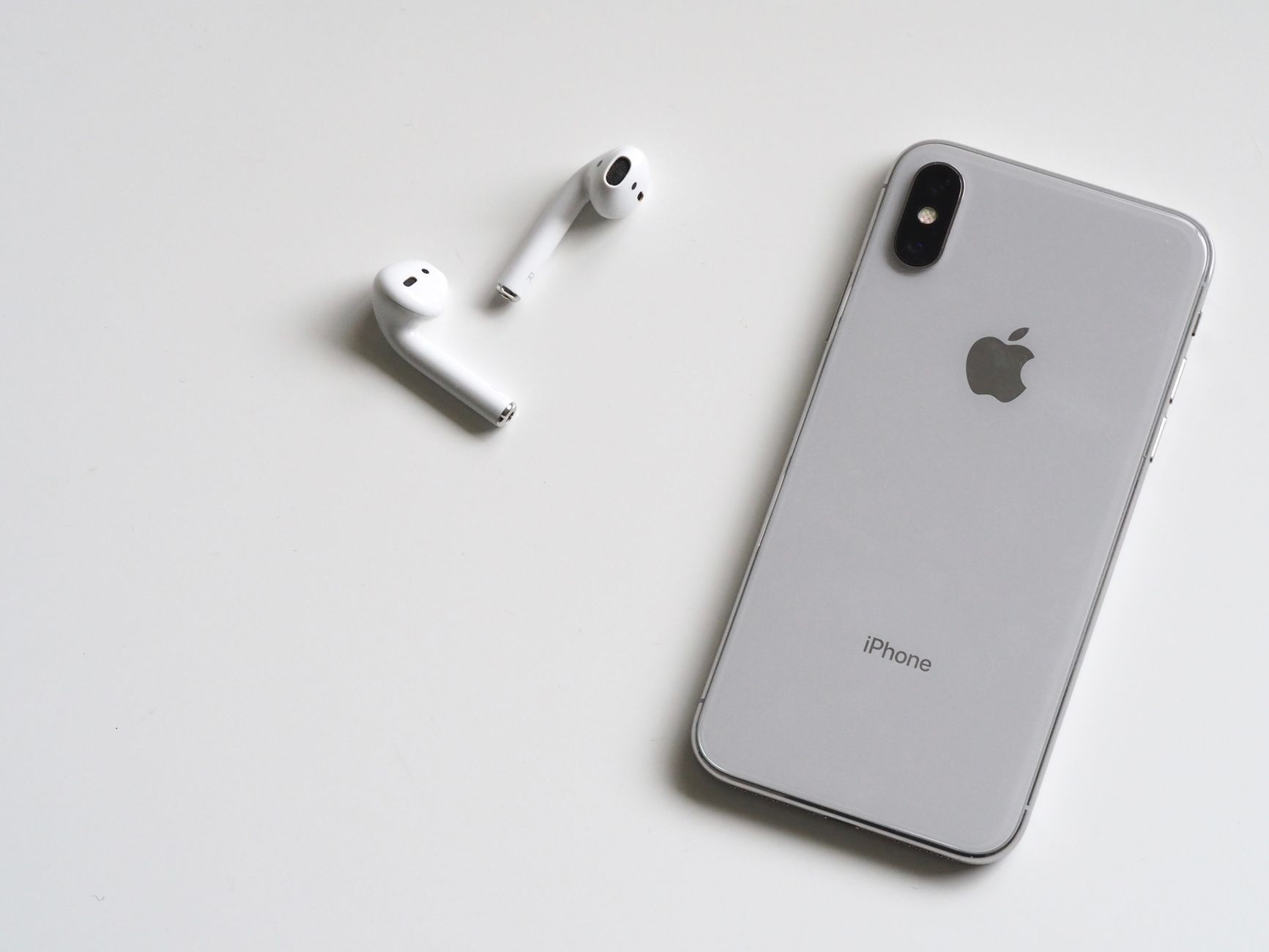
Apple is reportedly lining up camera AirPods 2027 alongside a second-generation foldable iPhone, according to a Bloomberg report picked up by outlets including The Verge. No prices, no firm release window beyond "2027," and nothing is confirmed by Apple itself. But the shape of the plan is clear enough to make a useful guess about where your money is headed.
Deep breath, though. None of this is happening this year, or even next year in any committed sense. So let's actually think through what's being described, instead of panicking about whether your current phone is already obsolete. It isn't.
What's actually being reported
The rumored lineup centers on two pieces. First, a new generation of AirPods that carry built-in cameras, reportedly aimed at feeding visual information to Apple's on-device AI so it can recognize what you're looking at and respond accordingly. Second, an upgraded foldable iPhone — Apple's second swing at the format after its first folding model arrives. There's also talk of a special 20th-anniversary iPhone tied to the original 2007 launch, since 2027 happens to land on that milestone.
None of this is a product announcement. It's a roadmap leak, the kind that often shifts by months or gets quietly dropped between now and an actual unveiling. Apple has, more than once, killed features that were deep into development. Treat this as a strong signal of direction, not a guarantee of what ships.
Why camera AirPods make sense as the next move
Here's the logical thread worth following. Apple's AI push, branded Apple Intelligence, has been playing catch-up to what Google and OpenAI already ship. The fastest way to make an AI assistant feel genuinely useful in daily life is to give it eyes — something that can see what's in front of you without you pulling out your phone and pointing a camera at it.
Meta has already proven there's an appetite for this with its camera-equipped Ray-Ban glasses, which have sold well enough to justify follow-up models. Apple watching a smaller, less resourced competitor win a new hardware category is exactly the kind of thing that gets a roadmap accelerated. AirPods are already in tens of millions of ears every day. Adding a camera there, rather than asking people to buy and wear a new pair of glasses, is the lower-friction path to the same goal.
The risk on the other side is real, though, and it's not a small one. A camera that lives in your ear, always pointed roughly at whatever you're looking at, raises privacy questions that go well beyond "do I want this feature." Regulators in the EU have already shown they'll slow down or restrict products that raise data-collection concerns, and other markets are watching closely too. If Apple ships this without a very visible, hard-to-miss indicator that recording is happening, expect pushback from privacy advocates and possibly from lawmakers, the same way smart glasses have drawn scrutiny in public spaces like gyms and bars.
The foldable iPhone is the bigger financial story
While the camera AirPods are the flashier headline, the foldable iPhone upgrade matters more to your wallet, because Apple has already shown its hand on pricing once. When the first folding iPhone arrives, expect it to land well above $1,500, likely closer to what Samsung charges for its top-end fold, which has hovered in the $1,800 to $2,000 range depending on storage. A second-generation model in 2027 probably doesn't get cheaper. Apple rarely cuts prices on a category; it adds storage tiers and lets the entry price creep up instead.
That matters because folding phones, even three generations into Samsung's effort, still come with tradeoffs: a visible crease, a battery that has to be split across two halves of a hinge, and a thicker, heavier feel in your pocket when closed. Apple entering the category late means it's had years to watch other companies solve those problems, which is probably why it skipped a first attempt for so long. The 2027 version being framed as "upgraded" suggests Apple thinks the first folding iPhone, whenever it lands, will need real fixes already — not just a faster chip.
My honest read on which bet pays off first
I lean toward camera AirPods being the one that actually reaches your local Apple Store on something close to schedule, and the foldable upgrade being the one that slips. Apple has shipped AirPods hardware revisions reliably for nearly a decade now; it's a mature manufacturing line with no brand-new failure modes to work through. A second folding iPhone depends on a first folding iPhone going well, selling well, and not generating a wave of returns over hinge durability or screen creasing. That's a lot of dominoes that all need to fall the right way first.
If the first folding iPhone undersells or draws durability complaints, the most likely outcome isn't cancellation. It's delay, possibly into 2028, while Apple fixes whatever broke trust. Apple has done this before with other ambitious projects — slow them down rather than scrap them outright. So if you're the type of person who tracks this stuff closely, the better signal to watch isn't the 2027 date itself, but how the first folding iPhone is reviewed and how its early sales numbers look once they're public.
What this means for the phone you're holding right now
Nothing, today. That's the calm part of this story. If your current iPhone works fine, there's no reason to hold off on a normal upgrade cycle waiting for 2027 hardware that doesn't exist yet and could still change shape entirely.
If you're already saving toward a future folding iPhone purchase, budget for a price closer to a premium laptop than a regular phone. Set aside the idea that this will be a modest step up from your current device, the way moving from one iPhone generation to the next usually is. A folding phone purchase is a different financial decision, closer to buying a high-end camera or a decent used car down payment, and you should treat it that way rather than putting it on the same credit card cycle as a routine phone swap.
For anyone weighing whether to buy an iPhone this year or next, the existence of a 2027 foldable doesn't change much. Apple will keep selling and improving its standard iPhone lineup every single year regardless of what happens with folding hardware. A flagship device announced for 2027 is not a reason to delay a phone you need now, in 2026. If your screen is cracked or your battery barely lasts half a day, fix that problem today instead of waiting on a maybe.
A few questions, answered
Should I wait to buy a new iPhone because of this 2027 news?
No. If you need a phone now, buy one now. A 2027 product, even if everything in this report holds up exactly as described, is well over a year away and unconfirmed by Apple. Waiting on a rumor means using a broken or slow phone for no real benefit.
Will camera AirPods actually record video constantly?
That's not what's being described. The reporting points to a camera feeding Apple's on-device AI so it can recognize objects or scenes when you ask it something, similar to how Meta's Ray-Ban glasses work, not continuous recording running in the background. Expect Apple to build in a visible indicator when the camera is active, given how much scrutiny smart glasses have already drawn over exactly this concern.
Whatever ships in 2027, the smartest move right now is the boring one: keep using what works, set aside money gradually if a folding iPhone is genuinely on your wish list, and let the actual reviews — not the roadmap leaks — decide whether it's worth the price tag.